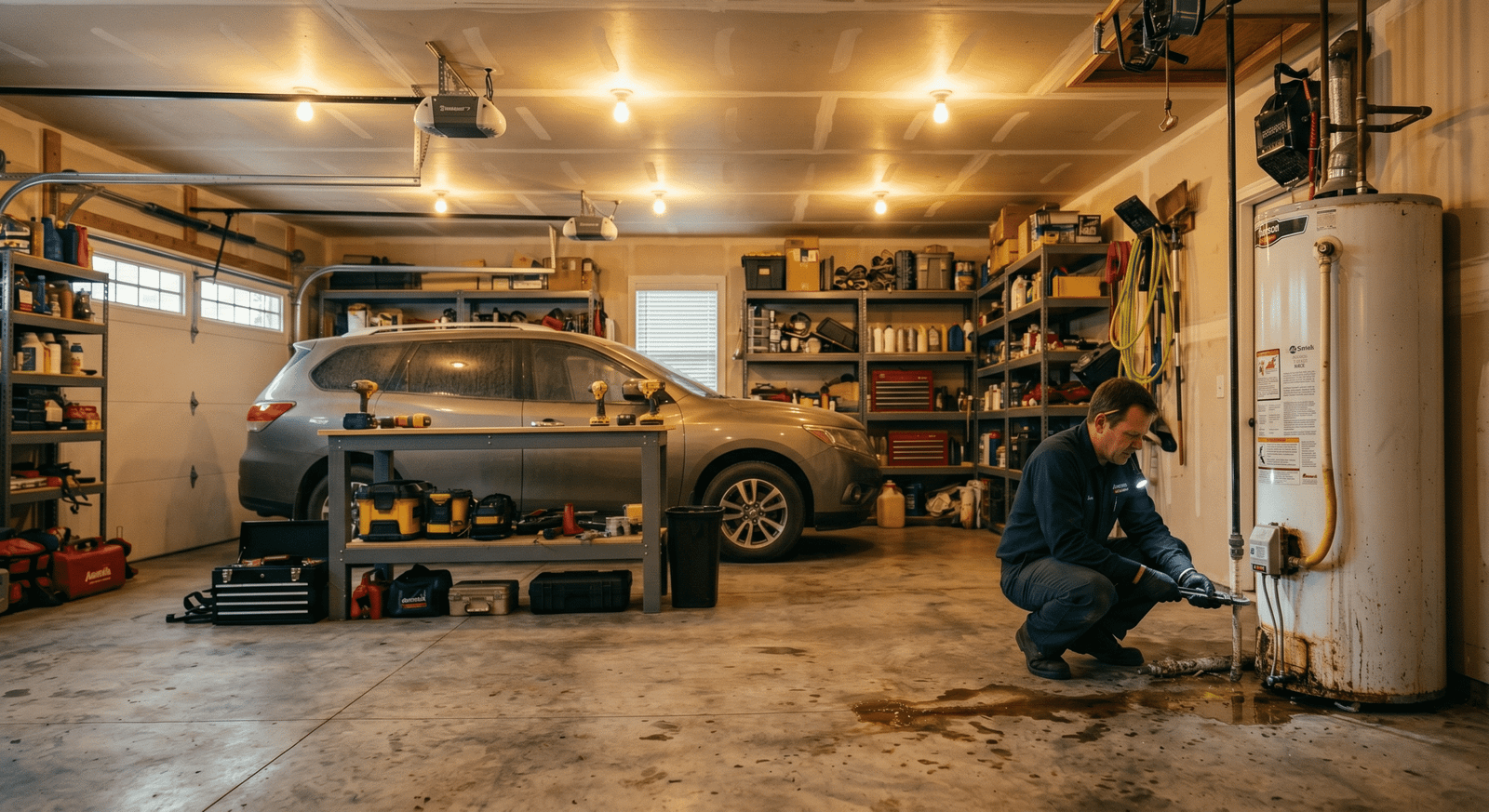
Gas line repair, pressure testing and new gas runs for ranges, dryers, pool heaters, generators and outdoor kitchens, sized to the whole house, permitted and inspected where the city requires it.
TSBPE 47173Pressure TestedPermitted Where Required24/7 Emergency Line
The Short Answer
If you smell gas, leave the building, call your gas utility from outside, and call us once it is safe. Gas line repair starts with a pressure test to confirm the leak, then the faulty pipe or fitting is repaired or replaced and the system is tested again before the gas goes back on.
Bulwark Plumbing does gas line repair, pressure testing and new gas runs across Grapevine, Southlake, Colleyville and 52 cities in DFW, licensed under TSBPE 47173.
Smell gas? Leave first. Get everyone out of the building. Do not switch lights or appliances on or off, do not use a phone, lighter or anything that could spark inside, and do not start a car in an attached garage. From outside and well away from the building, call your gas utility. Once the utility has made it safe, call Bulwark at (817) 677-9010 for the gas line repair.
What Should I Do If I Smell Gas?
Leave the building, then call your gas utility from outside, then call us for gas line repair once it is
safe. That order matters. The utility handles the immediate hazard, and a licensed plumber handles the repair
on your side of the meter.
Get everyone outPeople and pets first. Leave doors open on the way out if it is quick and easy, but do not stop to look for the leak.
Do not create a sparkNo light switches, no appliances, no lighters, and no phone calls from inside. Do not start a car in an attached garage.
Call the gas utility from outsideGet well away from the building first. The utility responds to gas odor calls and can shut off gas at the meter.
Then call a licensed plumberOnce the utility has made it safe, call us for gas line repair. The line is answered 24 hours a day.
Leave the gas off until it is repairedIf the utility has shut off or locked the meter, the gas line repair and a passing test come before service is restored.
Natural gas is given an added odor, often described as rotten eggs or sulfur, so leaks can be noticed. A
faint smell near one appliance is still a reason to follow the same steps. Do not try to find the leak
yourself with a flame.
How Does Gas Line Repair Work?
Gas line repair works in three steps: confirm and locate the leak with a pressure test, repair or replace the
failed pipe, fitting or connector, then test again before the gas is put back in service. Nothing is called
fixed until the piping holds pressure on the gauge.
Pressure Testing
The gas piping is closed off, brought to test pressure and watched on a gauge. If the pressure holds, the
piping is tight. If it drops, there is a leak somewhere in that section, and the section is narrowed down until
the leak is found. The same pressure test is how we prove a gas line repair worked, and many cities require a
passing test before an inspector signs off.
Leak Repair
Most gas leaks are at a joint, a fitting, a valve or an appliance connector rather than in the middle of a
pipe. Gas line repair at that point means replacing the failed fitting, valve or connector, or the damaged
section of pipe, with materials approved for gas. Outdoor and buried lines can also corrode or be damaged by
digging, and gas line repair there means replacing those sections.
Test, Inspect And Restore Service
After the gas line repair, the system is pressure tested again. Where the city requires a permit, the inspection is
scheduled, and appliances are relit and checked once the gas is back on. You get a written invoice that matches
the quote and a record of what was repaired.
Bulwark PlumbingTankless conversions often need a larger gas run
Bulwark Plumbing, Grapevine & DFW
Need A Gas Line Repaired Or Added?
If you smell gas, leave and call the gas utility from outside first. Otherwise, call us or book a window online and have it confirmed on the spot.
Yes. Besides gas line repair, we run new gas lines for appliances that were never on gas or that need a
bigger supply. Each new run is sized to the total load of the house, permitted where the city requires it, and
pressure tested before it is put in service.
Gas ranges and cooktops, including a switch from electric.
Gas dryers in a laundry room or garage.
Pool and spa heaters, which usually need a long outdoor run.
Standby generators, which draw a large volume when they run.
Outdoor kitchens, grills and fire features.
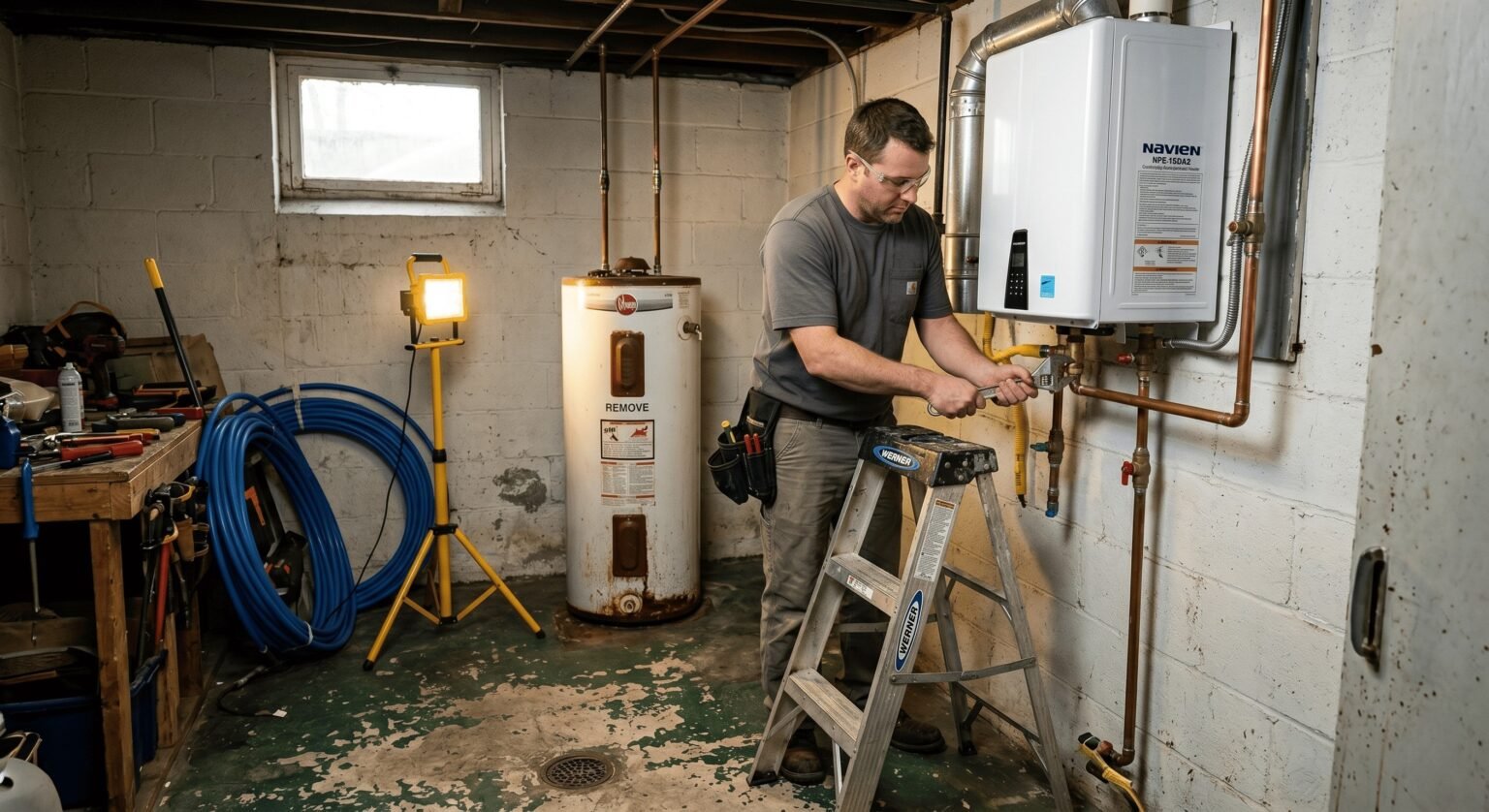
Tankless water heater conversions, which often need more gas than the old tank’s line
carries. See our tankless water heaters page.
If you are adding an appliance and also have an older leak or a corroded outdoor section, the new run and the
gas line repair can be done and inspected together.
Why Does Gas Pipe Sizing Matter?
Gas pipe has to carry enough volume for everything on it running at once. Sizing is worked out from the total
load of every gas appliance in the house and the length of the run, not just the appliance being added.
When a new range, generator or tankless heater is teed into piping sized for less, appliances can starve for
gas when several run together. A tankless conversion is the common case: a tank heater and a tankless heater can
need very different amounts of gas. We check the whole system when we quote a new run or a gas line repair that
changes the piping, and explain what the sizing means for your house.
Do Gas Lines Need Permits And Inspections?
Yes, where the city requires it, and most DFW cities require permits for new gas piping and for many repairs.
We pull the permit, schedule the inspection and meet the inspector. That is part of every gas line repair or new
run we quote, not an extra you have to arrange.
Permits on a gas line repair protect you. An inspected installation is on record with the city, which matters when you sell the
house or file an insurance claim, and a passing pressure test means the work was checked by someone other than
the person who did it.
Who Is Allowed To Do Gas Line Repair In Texas?
In Texas, gas piping on the customer side of the meter is licensed plumbing work. Bulwark Plumbing does gas
line repair under Texas State Board of Plumbing Examiners license 47173, with Jared J. Allen as Responsible
Master Plumber.
The technician who does your gas line repair is a Bulwark employee working under that license, never a
subcontractor, and your call is never sold as a lead to another company. We carry general liability and
workers compensation insurance.
What Are Signs I Need Gas Line Repair?
A gas smell is the main one, and it always means leaving first. Other signs that call for a gas line repair
visit include:
A hissing sound near a gas appliance, meter or line.
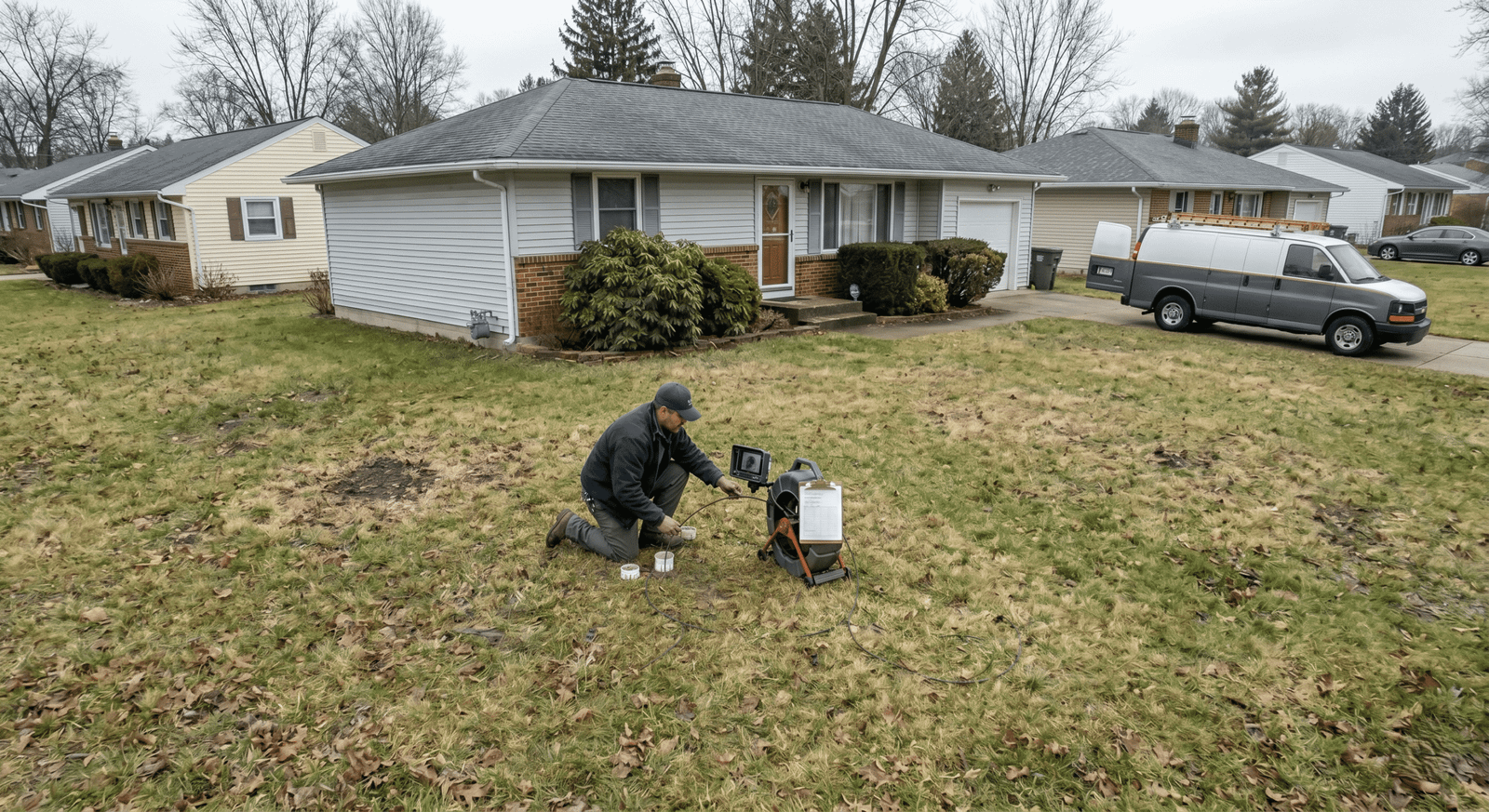
Dead or yellowing grass in a strip over a buried gas line.
Gas appliances that struggle, such as weak burner flames or a water heater that cannot
keep up, especially after an appliance was added.
Corroded or damaged pipe at the meter, along an exterior wall or under the house.
A failed test from a home inspection, a utility visit or a remodel.
Any of these with a smell of gas: leave and call the utility from outside. Without a smell, call us and we
will tell you on the phone whether it needs a visit tonight or a scheduled gas line repair.
How Much Does Gas Line Repair Cost In DFW?
It depends on where the leak is, how much pipe is involved, the length and size of any new run, and what the
city requires for the permit, so we do not publish a number that would not hold. What you can rely on:
The diagnostic fee is quoted on the phone before anyone is sent, and comes off the gas
line repair in full if you go ahead.
You get a written flat price before work starts. The invoice matches the quote.
After hours, weekend and holiday rates are disclosed on the same call.
Gas line repair work carries the Bulwark 1 year labor warranty, and any manufacturer warranty on equipment is
registered in your name. Homeowners in Grapevine,
Southlake, Colleyville and
Flower Mound are a short drive from the shop, and the
24/7 emergency line is answered around the clock.
Gas Line Repair Questions
What should I do if I smell gas in my house?
Leave the building right away and get everyone out. Do not switch lights or appliances on or off, do not use a lighter, and do not start a car in an attached garage. From outside and a safe distance away, call your gas utility. Once the utility has made it safe, call us for gas line repair.
Can a plumber do gas line repair in Texas?
Yes. In Texas, gas piping on the customer side of the meter is plumbing work done under a license from the Texas State Board of Plumbing Examiners. Bulwark Plumbing does gas line repair under TSBPE license 47173, with Jared J. Allen as Responsible Master Plumber.
Does gas line repair need a permit?
Gas work is permitted and inspected where the city requires it, and most DFW cities require it for new gas piping and for many repairs. We pull the permit, schedule the inspection, and tell you up front what the city requires for your job.
What is a gas line pressure test?
The gas piping is closed off, put under test pressure and watched on a gauge for a set time. If the pressure holds, the piping is tight. If it drops, there is a leak, and the test is how we confirm a gas line repair actually fixed it.
Can you add a gas line for a new range, dryer or generator?
Yes. Along with gas line repair, we run new gas lines for ranges, dryers, pool heaters, standby generators, outdoor kitchens and tankless water heater conversions. The new run is sized to the total gas load of the house, permitted where the city requires it, and pressure tested before it is put in service.
Why does gas pipe sizing matter?
Every gas appliance needs a certain volume of gas to run properly. If a new appliance is added to piping that was sized for less, appliances can starve for gas when several run at once. Any gas line repair that changes the piping is sized to total load, which means looking at everything on the system, not just the new appliance.
Can I do my own gas line repair?
We do not recommend it. Gas work in Texas is licensed plumbing work, many cities require a permit and inspection, and a small mistake at a fitting can leak. Call a licensed plumber for any gas line repair.
How much does gas line repair cost in DFW?
It depends on where the leak is, how much pipe is involved, the length and size of any new run, and the permit the city requires. Bulwark Plumbing quotes the diagnostic fee on the phone, credits it in full if you go ahead, and gives you a written flat price before any work starts.
Tell us whether this is a repair, a failed test or a new appliance, and we come back with a window. If you smell gas, leave the building and call the gas utility from outside first.
Pick an arrival window and have it confirmed while you are still on the page. If you smell gas, leave the building and call the gas utility from outside first.