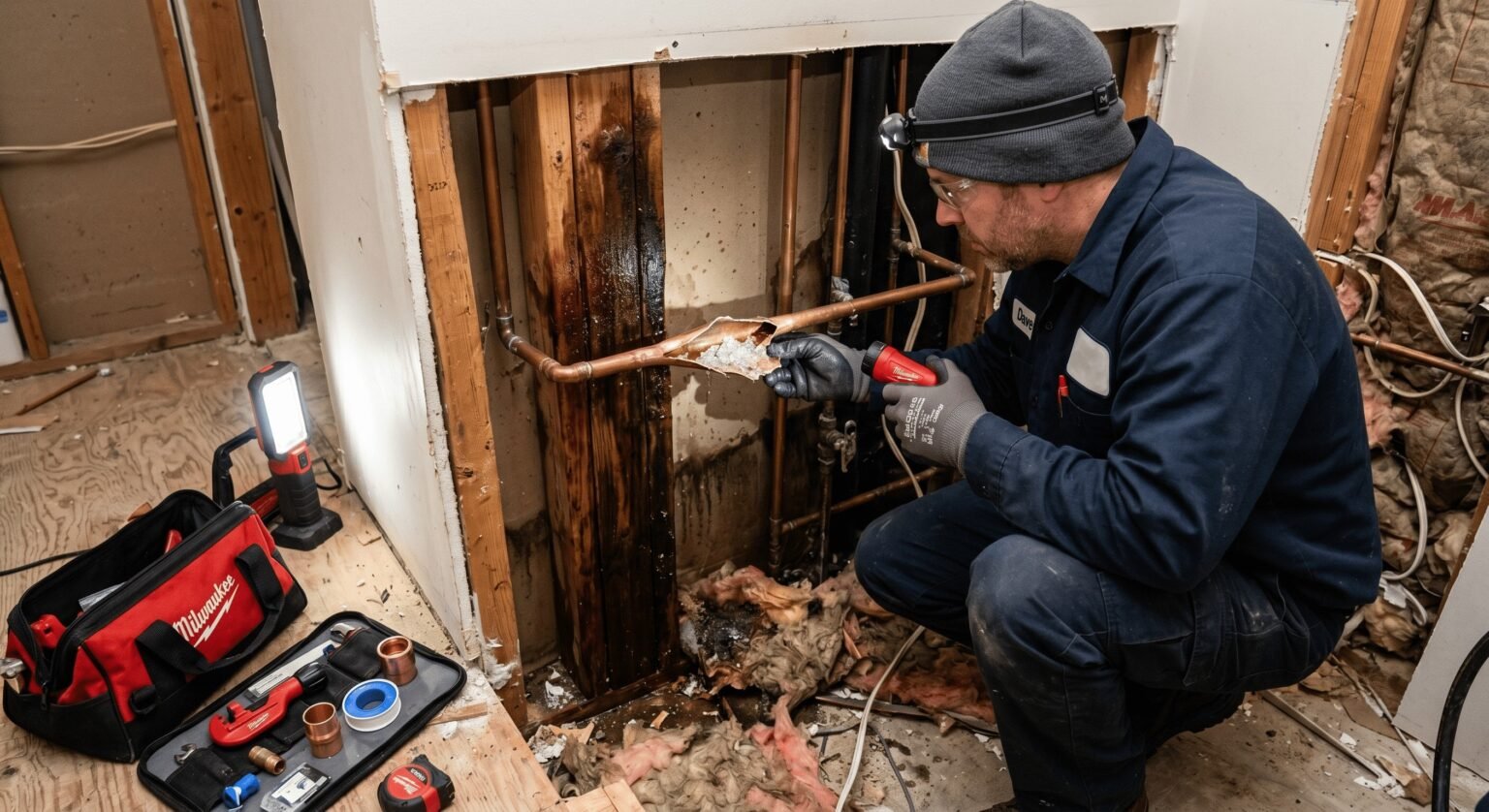
Plumber opening a wall to repair a pipe after leak detection in a DFW home
Leak Detection, Grapevine & DFW

Leak & Slab Leak Detection In DFW

Bulwark Plumbing finds hidden water leaks under slabs, in walls and in yards across Grapevine and the DFW metroplex, using pressure and acoustic leak detection to mark the spot before anything is cut. Then you get a written price for each repair option.

TSBPE 47173Acoustic & Pressure TestingLocate Before Cutting24/7 Emergency Line
The Short Answer

Professional leak detection finds a hidden leak without guesswork: we pressure test the hot and cold lines separately to learn which one is leaking, then use acoustic equipment to listen through the slab or wall and mark the spot. Only then is anything opened, and only where it needs to be.

Bulwark Plumbing provides leak detection and slab leak repair across Grapevine, Southlake, Colleyville and 52 cities in DFW from our shop at 720 Industrial Blvd in Grapevine, 24 hours a day.

What Are The Signs Of A Hidden Water Leak?

The most reliable sign is a water bill that jumps when your use has not changed. After that, look for a meter that moves with everything off, a warm spot on the floor, the sound of running water when nothing is on, damp or cracked flooring, a musty smell, or water pressure that has dropped. Any of these is a reason to run the meter test below before calling for leak detection.

  • A higher water bill. Compare it with the same month last year. A leak under a slab runs around the clock, so even a small one adds up.
  • A warm spot on the floor. Usually a hot water line leaking under the slab and heating the concrete. Pets often find it first.
  • The sound of running water in a wall or under the floor when every fixture is off.
  • Damp, buckled or cracked flooring. Wood cupping, carpet that is damp at the edge, or grout that stays dark.
  • Mildew or a musty smell in a closet, cabinet or along a baseboard with no visible source.
  • Lower water pressure throughout the house, or a water heater that seems to run constantly.

None of these proves a slab leak on its own. A running toilet can raise a bill, and a wet baseboard can come from a supply line in the next room. That is why leak detection starts with the meter, then narrows down.

How Do I Check For A Leak With My Water Meter?

Turn off every fixture and appliance that uses water, then watch the meter for 15 to 30 minutes. If the meter or its small leak indicator moves while nothing is running, water is leaving the system somewhere. It is the simplest leak detection test there is, and it costs nothing.

  1. Shut everything offFaucets, showers, toilets (wait for tanks to finish refilling), washer, dishwasher, ice maker, irrigation and any water softener or filter that might be regenerating.
  2. Find the meterUsually in a box near the street or sidewalk. Lift the lid carefully, since meter boxes can hold insects or snakes in North Texas.
  3. Read the leak indicatorMost meters have a small triangle, star or dial that spins with even a tiny flow. Take a photo of the reading too; it is useful if you book leak detection.
  4. Wait and watchLeave everything off for 15 to 30 minutes. If the indicator moves or the reading changes, there is a leak somewhere past the meter.
  5. Close the main shutoff at the houseIf the meter stops when the house valve is closed, the leak is inside the house. If it keeps moving, the leak is in the line between the meter and the house, or in an irrigation line that branches off before the house valve.
  6. Isolate the hot sideWith the main open again, close the cold inlet valve on top of the water heater and turn its gas or power off. If the meter stops, the leak is most likely on a hot line, and leak detection can start there.

A meter test tells you whether you have a leak and roughly which part of the system it is in. It does not tell you where in the slab it is. That takes professional leak detection, which is the next step if your meter moves. Our article on the signs of a slab leak goes deeper on what each clue means.

Bulwark Plumbing technician on a DFW plumbing call
Bulwark Plumbing, Grapevine & DFW
Meter Still Moving?

If water is visible, shut off the main and call. If the meter test shows a slow leak, book a leak detection window online and have it confirmed on the spot.

Call (817) 677-9010

How Does Professional Leak Detection Work?

Professional leak detection works by narrowing the search in stages: confirm the leak, isolate the line, then pinpoint the spot. Pressure testing finds which line is leaking. Acoustic equipment finds where on that line the water is escaping. Nothing is cut until both are done.

Pressure Isolation Of Hot And Cold Lines

Leak detection starts by isolating sections of the plumbing and putting each on a gauge. A line that holds pressure is sound. A line that loses pressure is leaking. Testing the hot and cold sides separately matters under a slab, because the two often run different routes, and knowing which one is leaking cuts the search area roughly in half before any acoustic leak detection begins.

Acoustic Listening

Water forced out of a pinhole under pressure makes a distinct sound as it hits the soil and concrete. Acoustic leak detection equipment amplifies that sound through the floor, so the technician can walk the route of the leaking line and find where it is loudest. Hard floors carry the sound well. Thick carpet, pad and some wood floors make it harder, and those jobs take longer.

Locate Before Cutting

Once the spot is found, it is marked and recorded, so the location is documented for you, for the repair, and for your insurer if you file a claim. Accurate leak detection is what keeps a slab repair to one opening instead of several exploratory ones. We show you what we found and how we found it before recommending a fix.

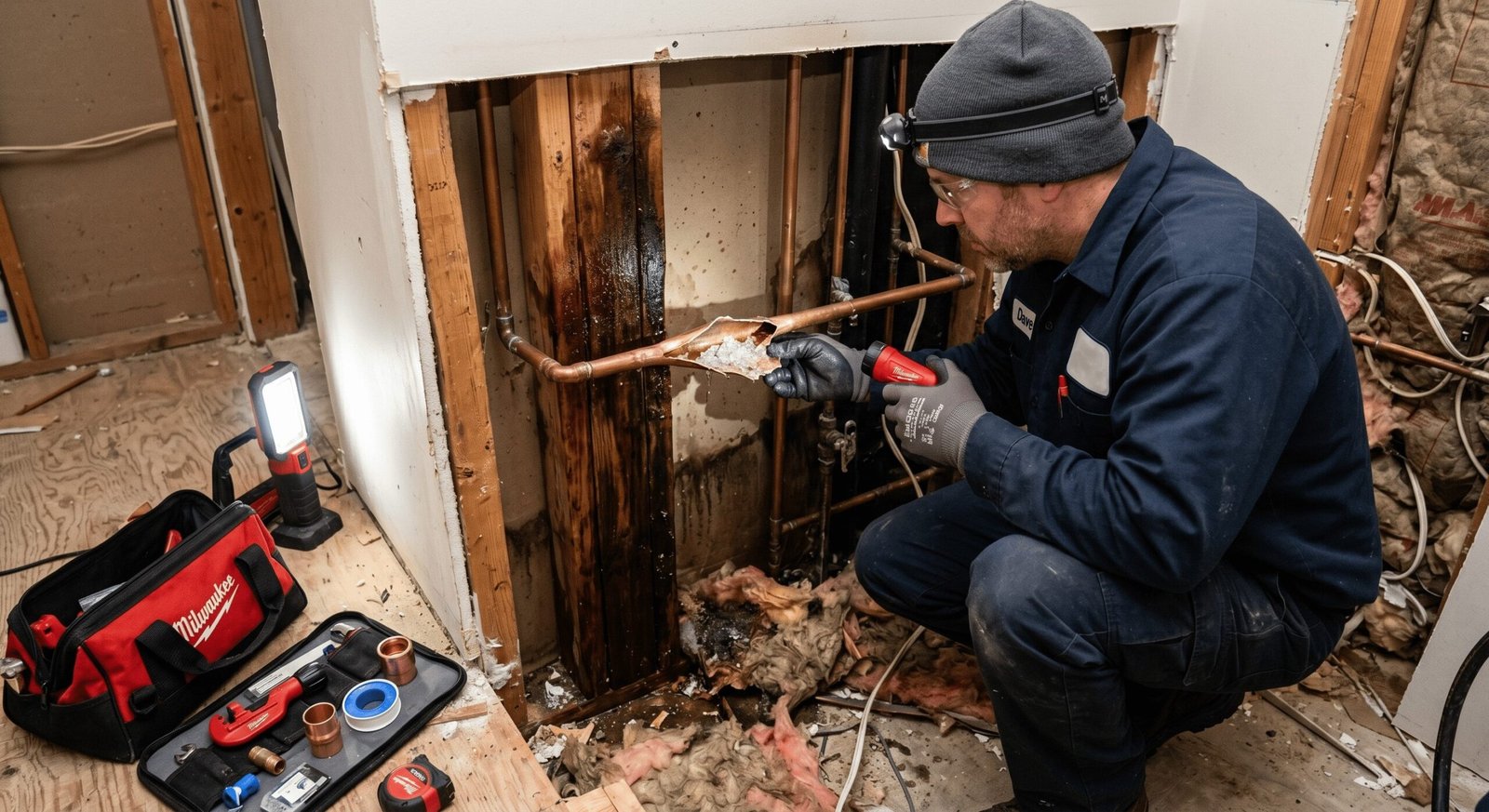
Copper pipe exposed for repair after leak detection located the failure
Bulwark PlumbingOpening only where leak detection located the leak

Why Does DFW Have So Many Slab Leaks?

Because most DFW homes sit on concrete slabs over expansive clay. The Blackland Prairie soil swells when it is wet and shrinks when it dries, so the slab moves with the seasons and the water lines cast into or under it move too.

Copper in the slab works against concrete and soil as it shifts, and over years that movement work-hardens the pipe and wears pinholes where it rubs or bends. Hard water and the age of the pipe add to it. The February 2021 freeze split pipe across the area as well, and some of that damage only showed up later. Slab leak detection is one of the most common calls a North Texas plumber runs for exactly these reasons. A related problem is the sewer: the same moving slab can leave a drain line with a belly or a separated joint, which is a job for a camera rather than pressure leak detection.

What Are The Options For Repairing A Slab Leak?

There are three: open the slab and repair the leak on the spot, reroute the line around the slab, or repipe part or all of the house. Each one is legitimate in the right situation, and after leak detection you get a written flat price for the options that fit your house.

OptionWhat it involvesBest whenTrade-off
Spot repair through the slabCut an opening in the floor at the marked location, repair the pipe, restore the concreteOne isolated leak on pipe that is otherwise in good shapeFloor covering at that spot is removed and has to be replaced. The rest of the old line stays in service.
RerouteAbandon the leaking section under the slab and run new pipe through walls and the atticA leaking line with a reasonable path overheadDrywall openings to patch, but no concrete work and no new pipe left under the slab
Partial or whole repipeReplace a group of lines or the whole system, usually overheadA second or third leak, or pipe that is failing along its lengthThe largest job, but it ends the cycle of repeat leaks. Copper, PEX or CPVC.

A spot repair makes sense for a first leak on pipe that tests sound elsewhere during leak detection. Once a house has leaked twice, the pipe is telling you something, and a reroute or repipe is usually the better use of the money. Repipes and water line replacement carry a 3 year Bulwark labor warranty, and permits are pulled and inspected where the city requires them.

Does Insurance Cover Slab Leak Detection And Repair?

Coverage varies by policy, so the only reliable answer comes from your insurer. Some policies pay for leak detection and for opening the floor to reach the leak, or for the water damage that resulted, without paying for the pipe repair itself. Some exclude it. Ask before work starts if you plan to file.

What we do on our side is document it. The leak detection results, the recorded location, photos of the pipe and the repair, and a written invoice that matches the quote all go to you. We do not tell you what your policy covers, because we cannot know that.

What Should I Do Right Now If I Think I Have A Leak?

If water is visible or the meter is moving fast, shut off the water. If you only suspect a leak, run the meter test, write down what it shows, and call for leak detection. Either way, do not start opening floors or walls until leak detection has located the leak.

Water on the floor, or a warm floor and a water heater that will not stop running? Close the main shutoff, or the cold inlet on the water heater if the leak is on the hot side, and turn the heater’s gas or power off. Keep clear of water near outlets or cords. Then call (817) 677-9010. The line is answered 24 hours a day, and our target in the core area is a technician on site within 60 minutes.

Take photos of any damage and of the meter reading before anything is cleaned up. The technician uses the reading during leak detection, and your insurer may want the photos if you plan to file. If a pipe has burst rather than leaked, our guide on what to do when a pipe bursts covers the first ten minutes, and the 24/7 emergency line is there for anything actively flooding.

How Much Does Leak Detection Cost In DFW?

It depends on the size of the house, how many lines need testing, and whether the leak is under a slab, in a wall or in the yard, so we do not publish a number that would not hold. What you can rely on when you book leak detection:

  • The diagnostic fee is quoted on the phone before anyone is sent, and comes off the repair in full if you go ahead.
  • You get a written flat price before work starts. Where a spot repair and a reroute or repipe are all legitimate, you get each price.
  • After hours, weekend and holiday rates are disclosed on the same call.

Leak detection is done by Bulwark employees working under Texas license 47173, never subcontracted, and your call is never sold to another company. If the water turns out to be from the water heater rather than a pipe, see water heater repair and replacement. Homeowners in Southlake and Colleyville are a short drive from the Grapevine shop.

Leak Detection Questions

How do I know if I have a slab leak?

The common signs are a water bill that jumps with no change in use, a water meter that moves with everything off, a warm spot on a tile or concrete floor, the sound of running water when nothing is on, and damp or cracked flooring. Any one of those is worth a meter test, the first step in leak detection. Two or more together is worth a professional leak detection visit.

Can a plumber find a leak without tearing up the floor?

Yes, that is the point of leak detection. Pressure testing tells us which line is leaking, and acoustic equipment listens through the slab for the sound of escaping water so we can mark the spot. The floor is only opened at the marked location, and only if a spot repair is the option you choose.

Is a slab leak an emergency?

A leak on the hot line, a leak that is putting water on the floor, or one that makes the meter spin fast should be treated as urgent, because water under a slab can damage flooring and the soil under the foundation. A small, slow leak found by a meter test can usually wait for a scheduled visit. Call us and we will tell you whether it needs leak detection today or can wait.

Why is one spot on my floor warm?

A warm patch on tile, wood or bare concrete, especially one that stays warm, often means a hot water line under the slab is leaking and heating the concrete above it. A water heater that runs more than it used to is a second clue. Close the cold supply to the water heater and call for leak detection.

Will my homeowners insurance pay for a slab leak?

It depends on your policy. Some policies cover access to the leak or resulting water damage but not the pipe repair itself, and some exclude it. Ask your insurer before work starts. We document what leak detection finds, including the recorded location, so you have it for the claim.

If I have one slab leak, will I get more?

Often, yes. Copper pipe in a DFW slab wears from the same movement and water chemistry along its whole length, so the first pinhole is rarely the only weak spot. That is why a reroute or repipe is worth pricing alongside a spot repair, especially after a second leak. Leak detection finds the current leak; it cannot predict the next one.

How long does leak detection take?

It depends on the size of the house, how many lines need testing and the floor covering. Hard floors carry sound well, while thick carpet and pad slow acoustic leak detection down. The technician shows you what was found and how before recommending anything.

Can a leak be under the slab on the drain side?

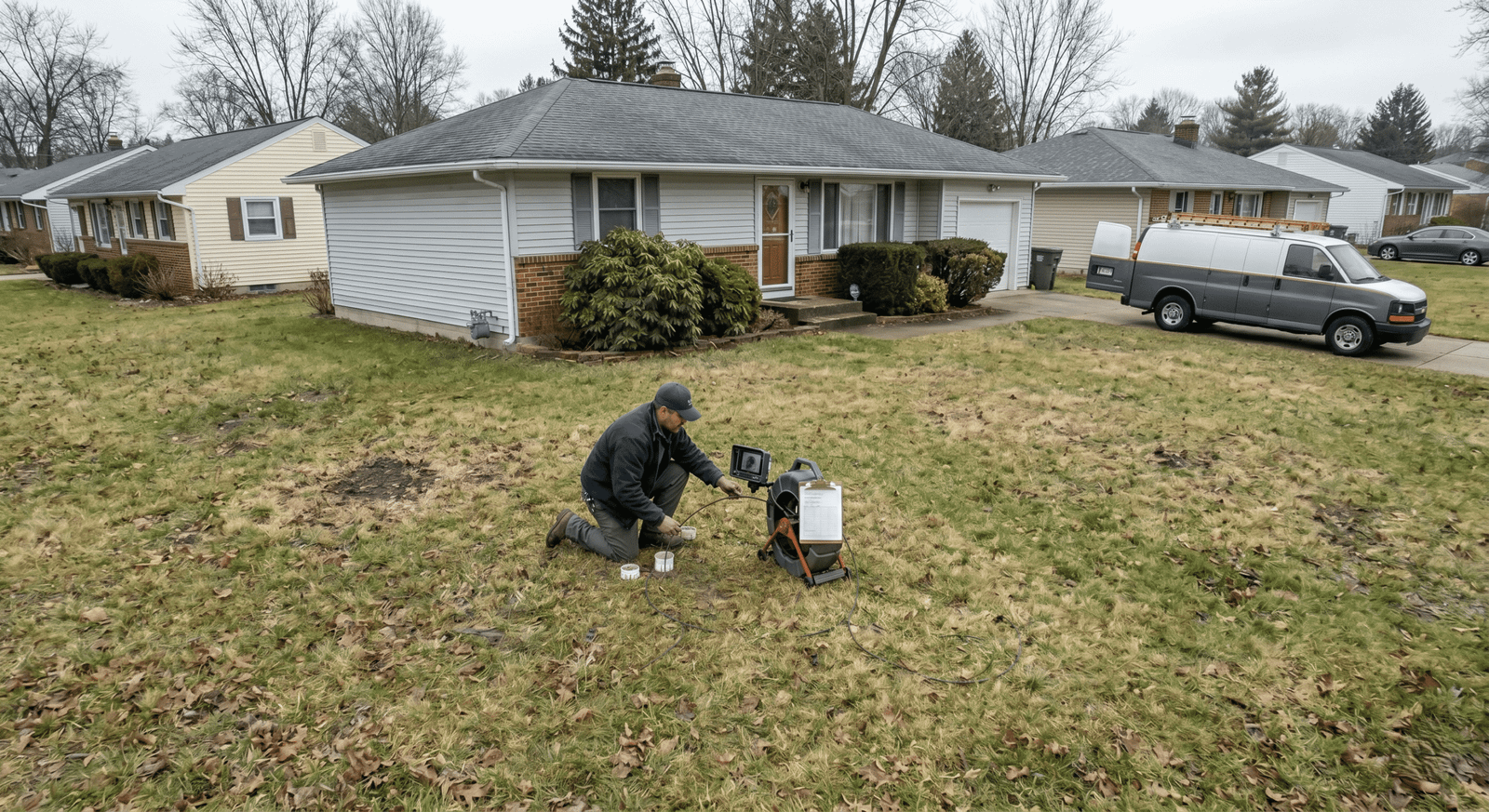
Yes. Drain and sewer lines under the slab can crack or separate, especially when the soil moves. Those leaks do not show on the water meter because the drain is not pressurized. A camera inspection of the line is how we find them, since leak detection on the water lines will not.

How much does leak detection cost in DFW?

It depends on the size of the house, how many lines need testing and whether the leak is under the slab or in a wall. Bulwark Plumbing quotes the diagnostic fee on the phone before anyone is sent, credits it in full if you go ahead with the repair, and gives you a written flat price before any work starts.
Request Service

Request Leak Detection

Tell us what the meter test showed and where you suspect water, and we come back with a window for leak detection. If water is on the floor, call instead: the line is answered around the clock.

Bulwark Plumbing
720 Industrial Blvd Ste 500, Grapevine, TX 76051
(817) 677-9010, open 24 hours

By submitting you agree we may call or text you about this request. Message and data rates may apply. Reply STOP to opt out. See our Privacy Policy and Terms.

Online Booking

Book Leak Detection Online

Pick an arrival window for leak detection and have it confirmed while you are still on the page. For anything actively flooding, call instead: the line is answered 24 hours a day.