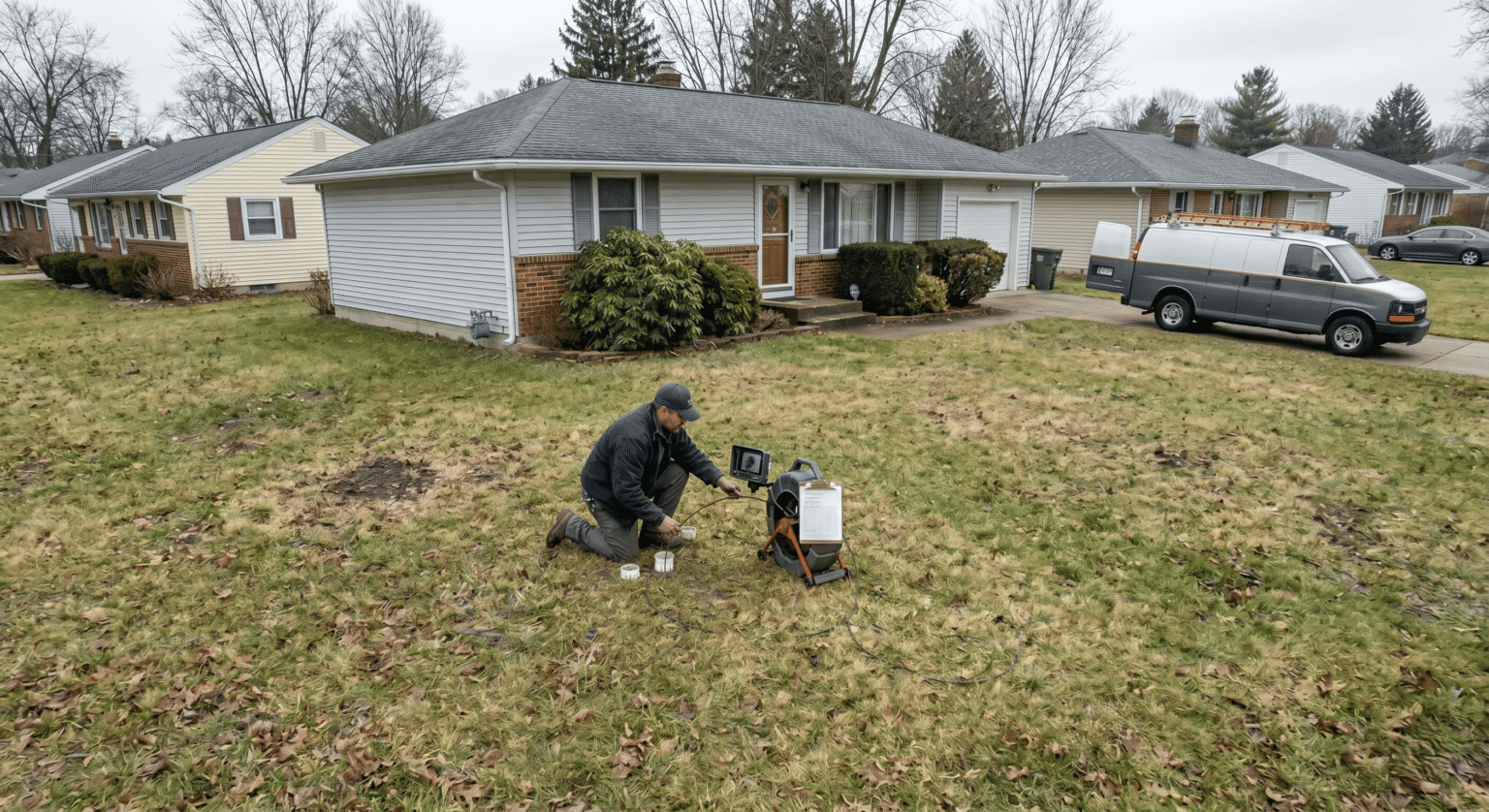
On a sound cast iron pipe, jetting with the right nozzle and pressure clears scale and buildup well. On pipe that is cracked or worn thin, the same pressure can make it worse. The camera decides which one you have, before anything else goes in.
Jetting can be safe for old cast iron pipes, but only when the pipe wall is still sound. A cast iron pipe corrodes from the inside: it grows rough scale and wears thin along the bottom, and it cracks. High pressure water can clear the scale from a solid cast iron pipe, and it can blow through a wall that is already failing.
That is why a camera should go in first, and why the pressure and nozzle should be picked for the pipe. Bulwark Plumbing cameras the line, shows you the footage, tells you honestly whether it is a jetting job, a cable job or a repair, and prices it in writing. We work from our shop in Grapevine across DFW.
It is safe when the cast iron pipe is structurally sound, and it is not when the pipe is cracked, holed or worn thin. Jetting is not inherently dangerous to cast iron and it is not automatically safe for it. What decides it is the condition of the wall, and nobody can know that from inside the house.
The honest answer to the question, then, is a process rather than a yes or no: look first, pick the tool and the pressure for the pipe you actually have, and say so plainly when the pipe needs repair more than it needs cleaning. For how jetting works in general, see our hydro jetting page.
Cast iron pipe fails slowly, from the inside, and unevenly. Cast iron was the standard drain material in DFW homes until about 1970, and most of it is now past its expected service life. Three things happen to it.
Corrosion forms a rough, crusty layer called scale or tuberculation on the inside of the cast iron pipe. It narrows the opening and snags paper and waste, so drains run slow and the line clogs more often.
Wastewater runs along the bottom of a drain, so that is where the cast iron pipe corrodes fastest. Over decades the bottom can wear thin or open into a long channel, sometimes called channeling, while the top of the pipe still looks solid.
Brittle old cast iron cracks under load. In DFW the Blackland Prairie clay under the slab swells when wet and shrinks when dry, and that movement stresses the pipe, opens joints and can sag a cast iron pipe into a belly where water and solids sit.
The trap is that scale can hide all of this. A heavily scaled cast iron pipe can be holding together partly because of the crust on its walls. Remove the crust and you find out what is underneath.

Get the camera in before anyone jets it. If sewage is coming into the house, stop using water and call. Otherwise, book a window online.
Because the camera is the only way to see the wall before you put pressure on it. A camera run through the cast iron pipe shows scale, thin spots, cracks, holes, offset joints and bellies directly, with the distance from the cleanout to each one. You see the footage too.
If the cast iron pipe is completely blocked, a cable usually opens a path first so the camera can get through. Then the footage decides the next step: jet the line, cable it, descale it, or repair it. Our sewer camera inspection page explains what the recording shows and how it locates a problem under the slab or in the yard.
The plumber picks the pressure and the nozzle to match the pipe, not the other way around. A jetter is not one setting. Pressure can be turned down, and nozzles differ: some push forward to break up a blockage, some spray backward to scour the walls and pull the hose along, and some spin to cut roots or scale.
On a sound cast iron pipe with heavy scale, a scouring or descaling nozzle at a pressure suited to the pipe can restore much of the original opening. On older or thinner sections, a lower pressure and a gentler nozzle reduce the risk. On a cast iron pipe the camera shows to be cracked or holed, the right pressure is none: that section needs a repair, not a cleaning.
Jetting is the wrong tool when the cast iron pipe cannot take the pressure, or when the problem is one water cannot fix. Skip it, or limit it to the sound sections, in these cases:
In those cases, cleaning a failing cast iron pipe only buys time, and sometimes not much. The camera footage tells you where the bad section is so the repair can be limited to it. For a side by side of when each cleaning method fits, read hydro jetting vs. a drain snake.
Descaling removes the rough corrosion from the inside of cast iron pipes so waste runs smoothly again. It can be done with a jet and a nozzle made for scale, or with a rotating cutting head driven by a cable. Either way it only makes sense when the wall underneath is sound, because once the scale is gone, the pipe has to stand on its own.
Done on the right pipe, descaling can noticeably improve drainage and stretch the useful life of an old line. Done on a cast iron pipe that is already thin or cracked, it can expose or open holes that the scale was covering. That is one more reason the camera comes first, and why we may camera the line again after cleaning to check the wall we just uncovered.
Replacement makes more sense when the problems are along the length of the line rather than in one spot. Signs the camera may show include cracks or holes in several places, a bottom worn through over a long run, joints separating, or scale so heavy that the wall underneath is clearly gone. A cast iron pipe that keeps closing after every cleaning is telling you the same thing.
If the trouble is in one short section, a spot repair of that cast iron pipe may be the better choice. Where repair and replacement are both legitimate options, you get both prices in writing, and the invoice matches the price you approve. Sewer line replacements are permitted and inspected where the city requires it, and sewer and water line replacement carries a three year warranty. If the line runs under the slab, the recorded location keeps any opening of the floor to the spot that needs it. Our page on why a sewer keeps backing up covers the other common reasons.
Start by finding out whether you have cast iron pipe and what condition it is in, before anyone cleans it hard.
Because so many established DFW neighborhoods were built when cast iron was the standard, and the soil under them moves. In older parts of Grapevine, Bedford, Hurst, Euless and the rest of the area, a slow or backing up main line in a house from that era is often a cast iron pipe that has scaled, thinned or cracked. Hard North Texas water and decades of use do the rest.
We diagnose before we price. A Bulwark technician, our own employee working under Texas license TSBPE 47173, opens the line if needed, cameras the cast iron pipe, and shows you its condition. We clear lines by cable, and by jetting where buildup is heavy and the pipe can take it. If the pipe is too far gone for that, we tell you, and you get a written price for the repair instead. Drain cleaning is the one service we do not warranty, because no plumber can honestly promise an old line will not close again.
The diagnostic fee is quoted on the phone before anyone is sent and credited in full if you go ahead. If you have old cast iron pipes in Grapevine, Southlake, Colleyville, Keller or anywhere in the DFW area we cover, call (817) 677-9010 or book online. For anything backing up into the house, our 24/7 emergency line is answered around the clock. More questions are answered in our plumbing answers.
It can if the pipe is already failing. Water at high pressure can widen a crack, break through a wall that has worn thin along the bottom, or knock loose a section that was only holding together because of the scale. That is why the camera goes in first: it shows whether the cast iron pipe is sound enough to jet.
In DFW, cast iron was the standard drain material in houses built until about 1970. Look where a drain pipe is exposed, such as under a sink, at a cleanout or in the garage: cast iron is dark, heavy and rings when tapped, and plastic is white or black. A camera inspection also shows it from the inside.
Not automatically. A cable puts less force on the wall, but a cutting head can still chip brittle cast iron or catch on a broken joint. On a fragile cast iron pipe, the safest choice is the one picked after the camera has shown the condition of the wall.
Descaling removes the rough corrosion that builds up inside old cast iron and narrows the pipe. It can be done with a jet and a nozzle made for scale or with a rotating cutting head on a cable. It restores flow when the wall underneath is sound, and it is the wrong choice when the wall is thin or cracked.
Cast iron drain installed before about 1970 is now past its expected service life, though condition varies a lot from house to house and from one section of the line to the next. The camera is the only way to know what yours looks like.
Replace when the camera shows cracks, holes, broken joints or a bottom worn through along a long run, or when the line keeps closing after every cleaning. If the problems are in one short section, a spot repair may make more sense. Where both are legitimate options, you get both prices in writing.
It can restore much of the opening if the pipe is sound and the problem is scale or buildup. It will not fix a crack, a belly or a broken joint, which are common reasons an old cast iron pipe keeps backing up.
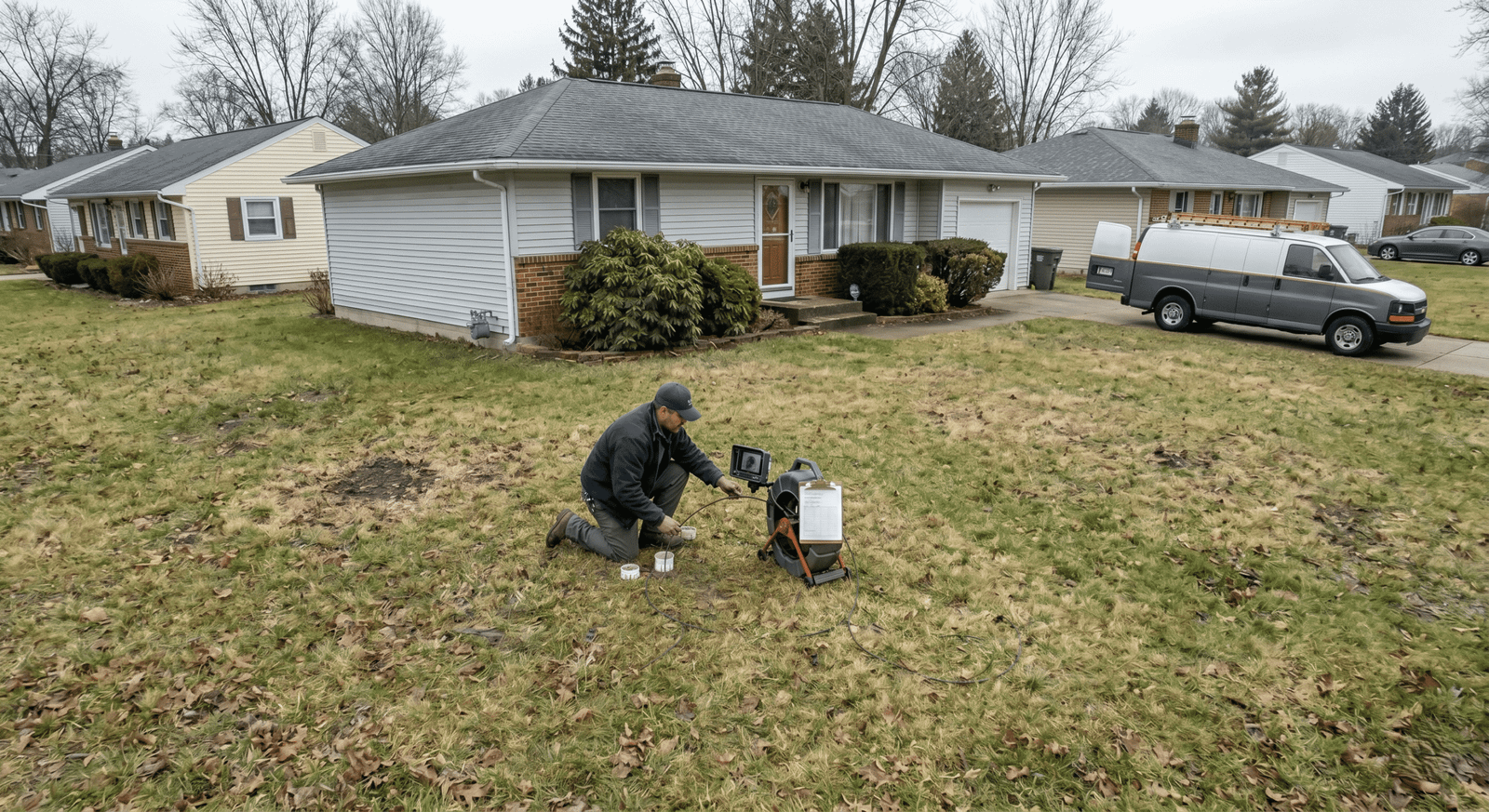
Tell us the age of the house and how often the line clogs. For sewage coming into the house, call instead: the line is answered around the clock.
Old cast iron pipe and slow drains, but nothing backing up right now? Pick an arrival window and have it confirmed on the page. If sewage is coming in, call instead: the line is answered 24 hours a day.