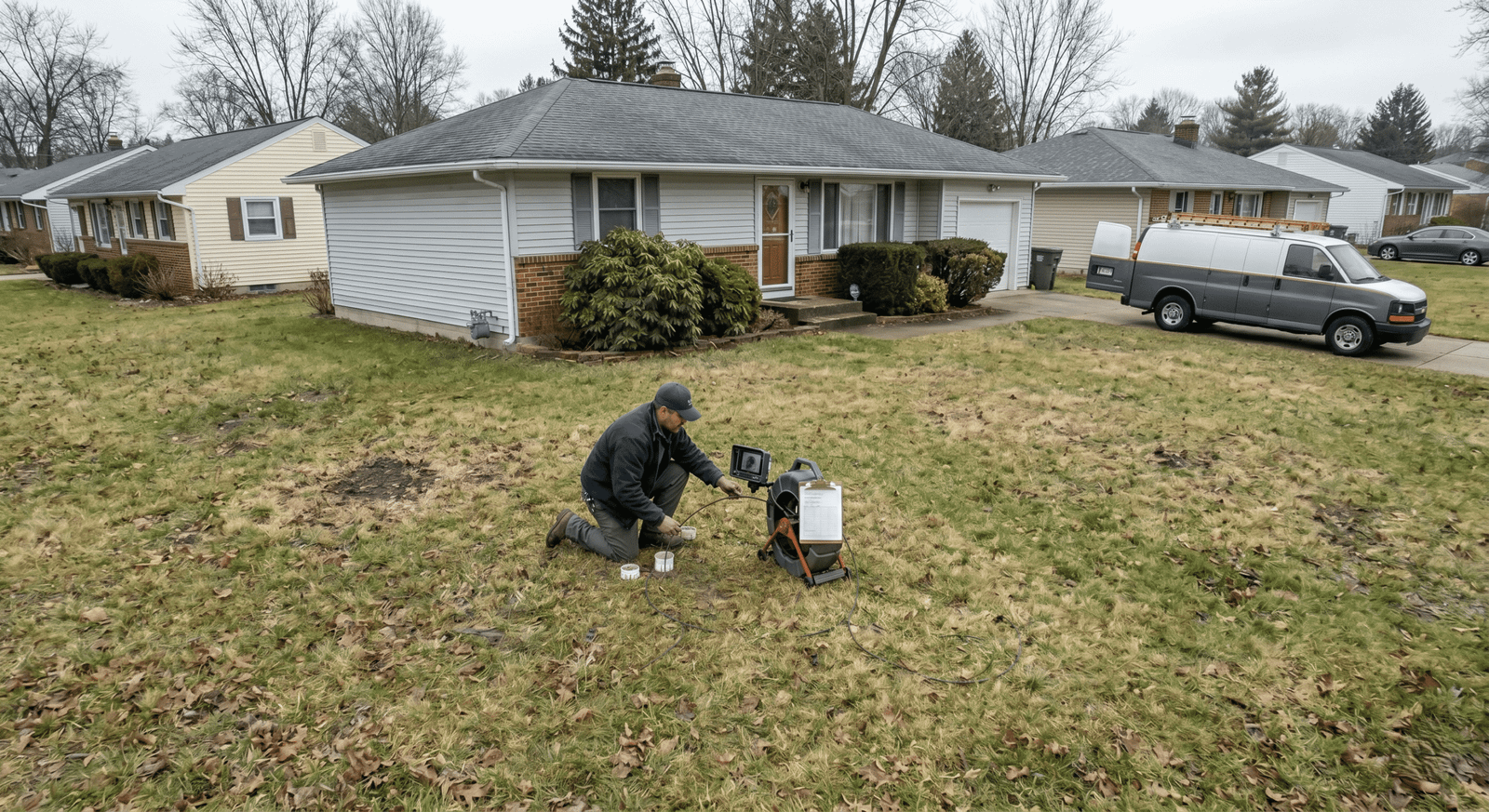
With a high water bill, turn off every fixture and watch the water meter. If it still moves, water is leaving the system somewhere you cannot see: a toilet, an irrigation line, the water heater relief valve, or a pipe under the slab or the yard.
A high water bill with no visible leak usually comes from a running toilet, an irrigation system, a dripping water heater relief valve, a leak under the slab, or a leak in the line between the meter and the house. Start with the meter test: turn everything off and watch the meter. If it moves, there is a leak, and the steps below narrow down where.
Bulwark Plumbing tracks down the cause of a high water bill and fixes hidden leaks from our shop in Grapevine across Southlake, Colleyville and the rest of DFW, 24 hours a day.
Because most of the water that raises a bill leaves where you would never look: down a toilet drain, out an irrigation head, through a water heater drain line, or into the soil under the slab or the yard. None of those puts water on your floor, so a high water bill is often the first and only sign.
The other possibility is that nothing is leaking and use went up: a longer billing period, summer watering, a pool top-off or guests. The meter test below separates those two answers in about half an hour.
The common causes of a high water bill with nothing visible:
Turn off every fixture and appliance that uses water, then watch the meter for 15 to 30 minutes. If the meter or its leak indicator moves while nothing is running, water is leaving the system and something is behind the high water bill.
If the meter does not move at all, the leak may be intermittent, such as a toilet that runs now and then or an irrigation zone on a timer, or the high water bill may come down to use. Read on before ruling a leak out.
Got a high water bill? Run the meter test, then call. If water is visible, shut off the main first. Otherwise, book a window online and have it confirmed on the spot.
Yes, and it is the most common cause. A worn flapper or a fill valve set too high lets water run from the tank into the bowl and down the drain around the clock, often too quietly to hear. A toilet is the first thing to check for any high water bill.
Do this on every toilet in the house. A flapper or fill valve is a small repair that can bring a high water bill back down. A toilet that refills by itself every few minutes, or hisses, is worth fixing before the next bill.
Often, in North Texas. An irrigation valve that does not close fully, a cracked line under the turf, a broken head, or a controller that was reset and now runs extra cycles can all produce a high water bill without any water inside the house.
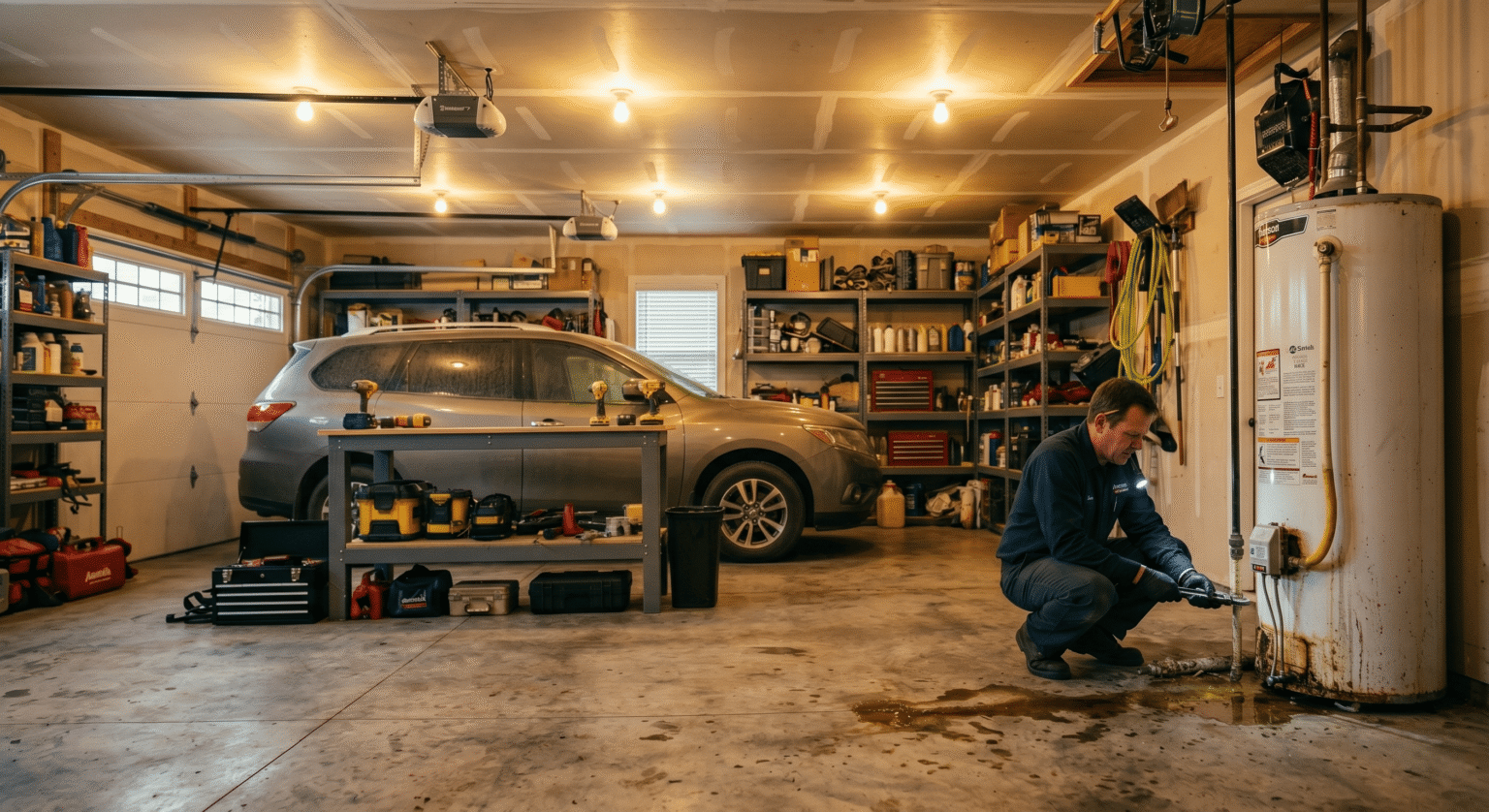
Yes. The temperature and pressure relief valve on a water heater opens to release water when temperature or pressure gets too high, and a worn valve can drip or run continuously. Its discharge line often runs to a drain, the garage floor or outside, so the water leaves without anyone seeing it, and the first sign is a high water bill.
Check the end of the relief valve discharge pipe for water or mineral crust, and look in the drain pan. A relief valve that keeps opening can mean the valve is worn or that something else on the heater needs attention. Our page on a leaking water heater covers how to tell the difference, and water heater repair covers the fix.

It could, especially if the meter moves with everything off and the house valve closed stops it. A pipe leaking under a slab runs day and night, so a high water bill is often the first clue. DFW homes are prone to it because expansive Blackland Prairie clay moves the slab, and copper in the slab work-hardens and wears pinholes over time.
Clues that point under the slab alongside a high water bill: a warm spot on the floor, the sound of running water with everything off, damp or cracked flooring, or a water heater that seems to run constantly. Our article on the signs of a slab leak covers each clue, and professional leak detection uses pressure and acoustic equipment to find the spot before anything is cut. If one is found, slab leak repair lays out the options.
If the meter keeps moving with the main shutoff at the house closed, and irrigation is off at its own valve, the leak is almost certainly in the service line buried in the yard between the meter and the house. A high water bill is often its only sign, though you may see a soggy strip of yard, a sunken spot, or water in the meter box.
A service line leak behind a high water bill can be repaired at the spot, or the line can be replaced if it is old or has leaked before. Water line replacement is permitted where the city requires it and carries a 3 year Bulwark labor warranty.
Yes. Summer irrigation, a pool or spa top-off, filling and refilling during a heat wave, house guests over a holiday, or a billing period with more days than usual can all raise a bill without any leak. A high water bill in July is not the same signal as one in January.
If you get a high water bill in a month when use should be low, and the meter test shows movement, it is a leak, not the season.
Call when the meter moves with everything off and toilets and irrigation are ruled out, when the meter keeps moving with the house valve closed, or when you see a warm floor, hear running water or find damp flooring. Call right away if water is visible. Those are the points where a high water bill stops being a do-it-yourself check.
Phone advice is free, and we can often tell from your meter test whether a high water bill needs a visit. If it does, the diagnostic fee is quoted on the phone before anyone is sent and credited in full if you go ahead, and you approve a written flat price before any work starts. The technician is a Bulwark employee licensed under TSBPE 47173.
Some DFW water utilities offer an adjustment on a high water bill once a hidden leak has been repaired. Ask yours, and keep the meter photos and the plumber’s invoice. More homeowner questions are on our plumbing answers page, and the 24/7 emergency line is there if water is actively coming through.
The usual causes are a running toilet, an irrigation zone or valve that is leaking or running more often, a water heater relief valve that is dripping, or a leak you cannot see under the slab or in the line from the meter to the house. A longer billing period or an estimated read can also produce a high water bill. The meter test tells you whether water is leaving the system right now.
Yes. A toilet with a worn flapper can run quietly around the clock and cause a high water bill. Because it drains straight into the bowl, there is nothing to see on the floor. A few drops of food coloring in the tank, with no flushing for 15 minutes, shows whether it is leaking into the bowl.
Run the meter test, then close the main shutoff at the house. If the meter keeps moving with the house valve closed, the leak is in the service line between the meter and the house, or in an irrigation line that branches off before the house valve. That kind of leak often shows up only as a high water bill.
It can be. A slab leak runs around the clock, so even a small one shows up on the bill. A warm spot on the floor, the sound of running water with everything off, or damp flooring alongside a high water bill make a slab leak more likely. Professional leak detection confirms it.
Some DFW water utilities have a leak adjustment policy for hidden leaks once they have been repaired, often requiring proof of the repair. The rules differ by city, so ask your utility and keep the plumber's invoice along with the high water bill.
It is possible, and an estimated read or a misread can produce one high water bill. Compare the reading on the meter with the reading on the bill. If they match and the meter moves with everything off, the meter is reporting real water use and the cause is on the property.
Call when the meter moves with everything off and you have ruled out toilets and irrigation, when the meter keeps moving with the house valve closed, or when you see any sign of a slab leak. Phone advice is free, and we can tell you whether your high water bill needs a visit.
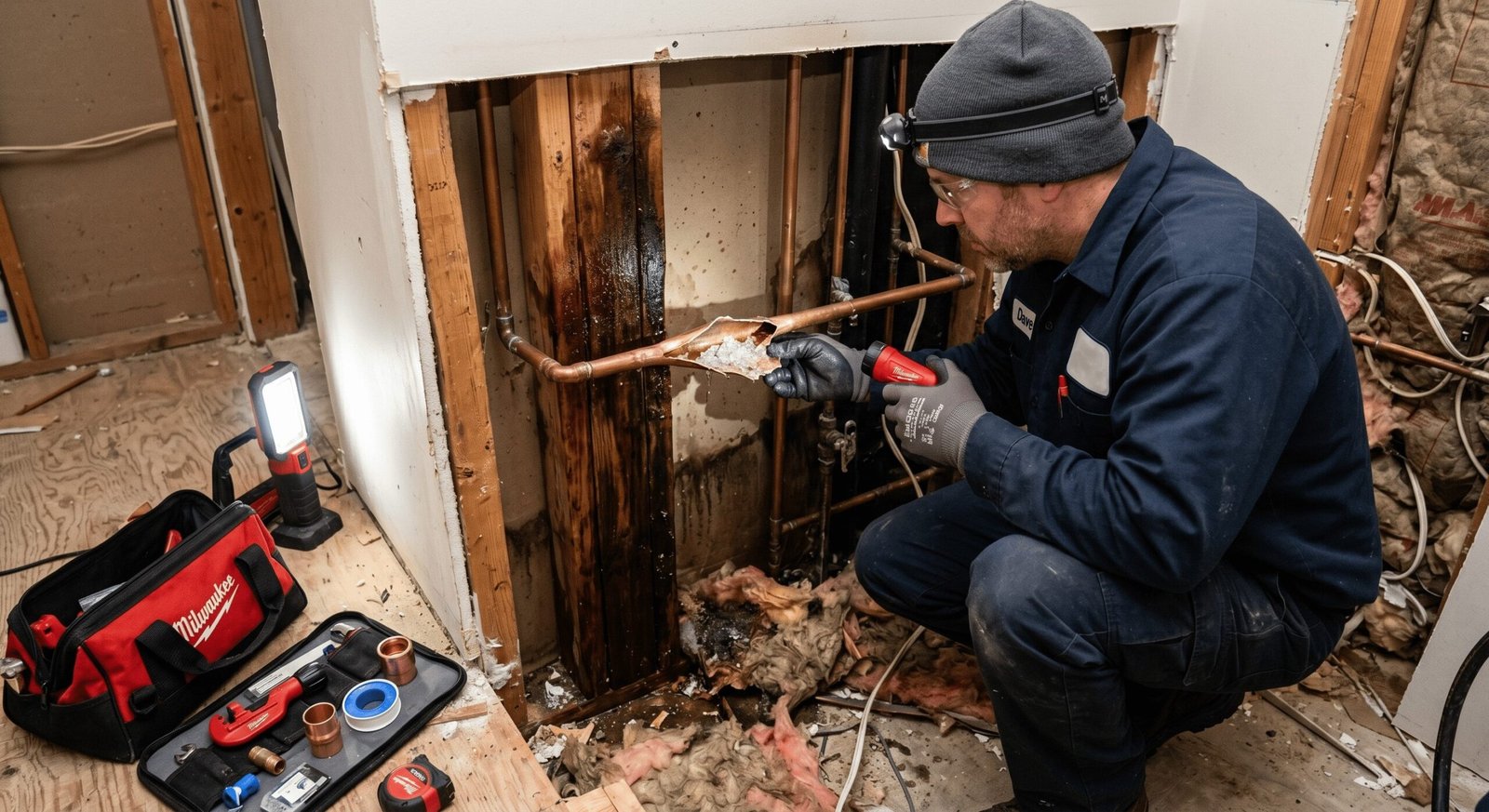
Tell us about the high water bill and what the meter test showed, and we come back with a window. If water is on the floor, call instead: the line is answered around the clock.
Pick an arrival window and have it confirmed while you are still on the page. For anything actively flooding, call instead: the line is answered 24 hours a day.